Equine Complex Vertebral Malformation: The Basics
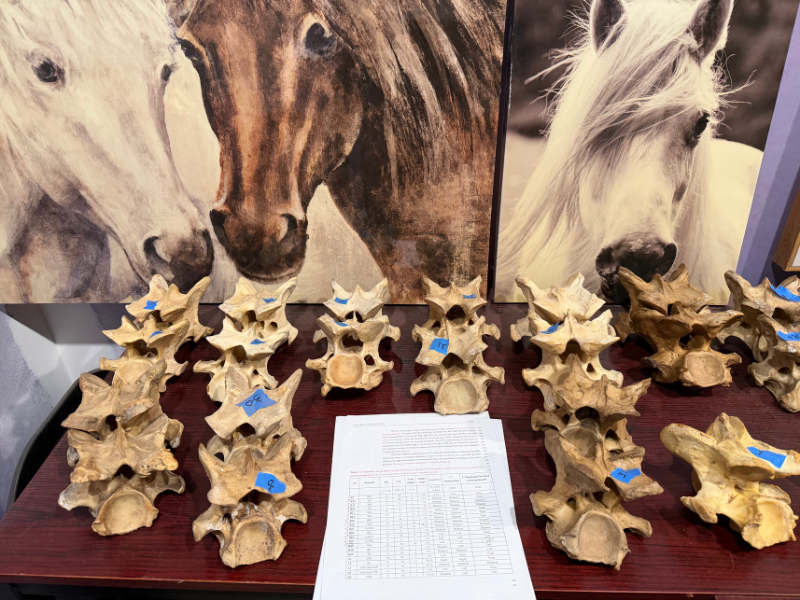
Equine Complex Vertebral Malformation (ECVM) is a congenital (present at birth) condition affecting the lower cervical spine of horses. It is characterized by the partial or complete absence of the ventral lamina of the sixth cervical vertebra (C6). In some cases, the malformation extends to the seventh cervical vertebra (C7), where structural changes, such as transposition of the ventral lamina and/or alterations of the foramen transversarium, may be present.
ECVM can also affect the first and second ribs, which may be malformed or absent. When rib abnormalities are present, corresponding changes in the sternum may also occur.
Although ECVM is believed to be heritable, the exact genetic mechanisms are not yet fully understood. Ongoing research aims to identify and map the genes involved. What is well established is that horses are born with ECVM—it is not a condition that develops over time.
Clinical Presentation
Not all horses with ECVM show clinical signs. This is an important distinction—many horses, particularly those with milder forms, may remain asymptomatic or manageable throughout their careers.
The age at which clinical signs appear can vary widely. Studies suggest the average age of euthanasia in clinically affected horses is between 9–11 years.
It is also important to note that the following signs are not exclusive to ECVM. They may be associated with pain or dysfunction originating from the lower cervical region in general.
In some cases, horses with ECVM may also develop conditions involving spinal cord compression (such as cervical vertebral compressive myelopathy). While ECVM itself does not directly cause compression, associated instability in the lower cervical spine may contribute to secondary issues.
Clinical Categories
While each case is unique, ECVM-affected horses often fall into three general categories:
Summary
ECVM is a complex and highly variable condition with multiple presentations. Its impact can range from clinically silent to career-limiting or severe, leaving some owners, trainers, and riders struggling to find definitive answers to the problems their horses are experiencing. Awareness and understanding of ECVM’s often convoluted presentations are essential for early recognition and the development of an appropriate management protocol. Because each case is unique, management becomes an individual journey. Informed decision-making is therefore key to supporting the horse’s health, well-being, and performance.
Read MoreOur Research Paper
